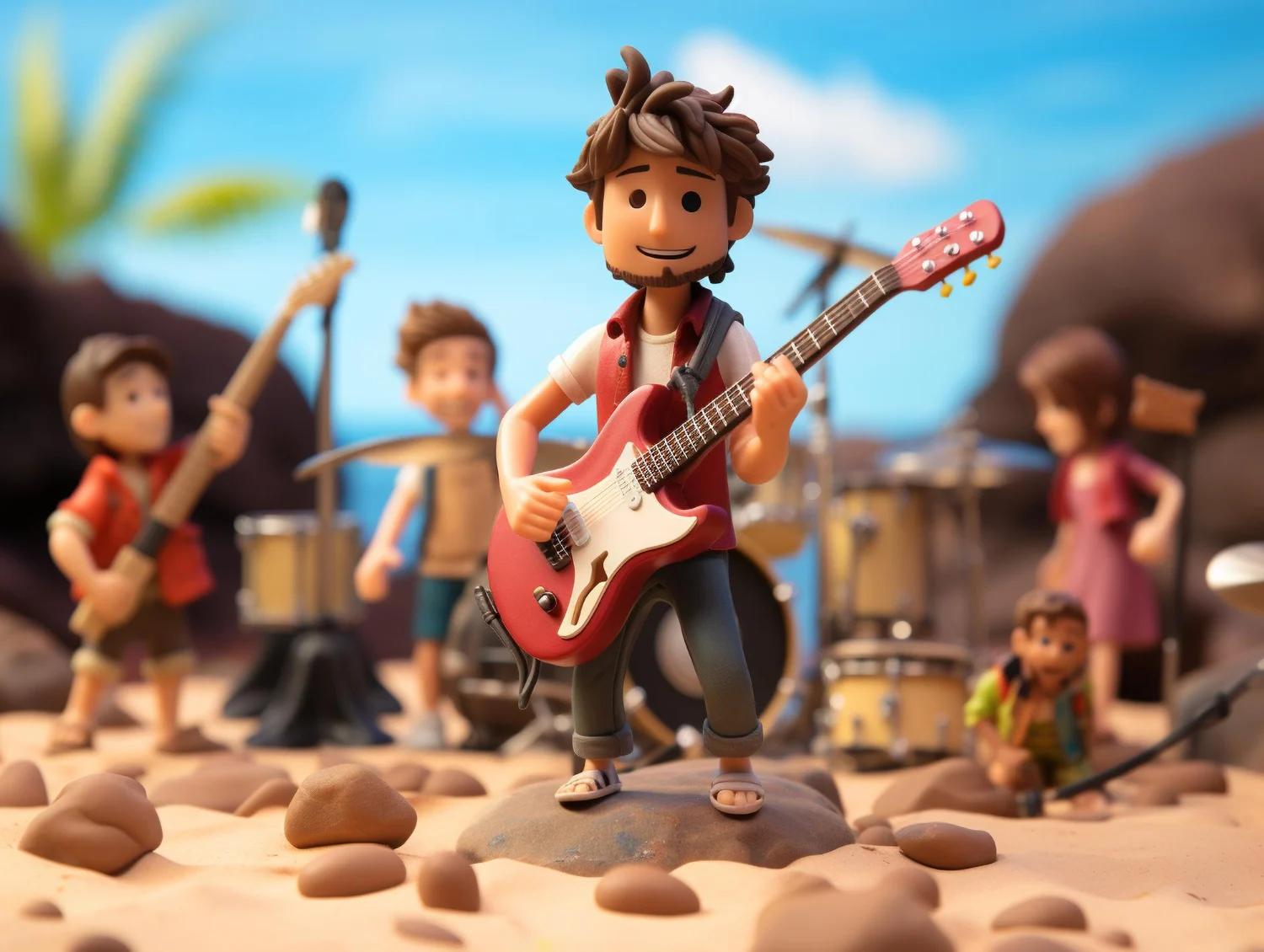
Vertical Video Music Production: Creating Content for TikTok, Instagram Reels, and YouTube Shorts
The World Flipped Sideways 📱
Remember when everyone told you to turn your phone sideways to record videos? Well, plot twist! The internet collectively decided to flip that advice on its head.
Welcome to the vertical video revolution, where 9:16 aspect ratio rules supreme and your music needs to slap harder than a screen door in a hurricane. TikTok changed everything. Instagram Reels followed suit. YouTube Shorts jumped on the bandwagon. Now we're all living in a world where 15-60 seconds can make or break a musical career.
Gone are the days when you could leisurely build up to a killer chorus over three minutes. Today's music producers are basically sonic ninjas. They need to grab attention faster than a cat video goes viral. The vertical format isn't just about flipping your camera. It's about completely rethinking how music works in bite-sized, thumb-scrolling chunks.
This isn't your grandpa's music production anymore. We're talking about crafting audio experiences that work perfectly with vertical visuals, hook listeners in the first three seconds, and somehow tell a complete musical story before someone's attention span evaporates. Buckle up, because we're diving deep into the wild world of vertical video music production! 🎵
The Technical Nitty-Gritty: Making Your Audio Shine 🔧
Let's get nerdy for a hot minute. Vertical video platforms have some pretty specific technical requirements that'll make or break your content.
Audio Quality Standards Most platforms compress your audio more than a sardine can. TikTok uses AAC compression at around 128 kbps. Instagram Reels does something similar. YouTube Shorts is slightly more generous but still squishes your beautiful sound waves.
Here's the kicker: you need to master your tracks knowing they'll get compressed. Think of it like cooking a steak knowing it'll sit under a heat lamp. You compensate ahead of time.
The Loudness Wars Continue Platforms use automatic volume normalization. This means your whisper-quiet indie track might get boosted while your wall-of-sound metal song gets squashed. Target around -14 LUFS for most platforms. It's the sweet spot where your track won't get mangled by algorithms.
Frequency Response Tricks Phone speakers are tiny. They can't reproduce deep bass like your studio monitors. Focus on the midrange frequencies (200Hz to 5kHz). This is where phones shine. Your kick drum might sound amazing on your headphones but disappear completely on a phone speaker.
Sample Rate Reality Check Don't overthink the sample rate game. 44.1kHz is perfectly fine for these platforms. Going higher just wastes upload time and storage space. The platforms will downsample anyway. It's like bringing a Ferrari to a parking lot - impressive but unnecessary.
Bit Depth Basics 24-bit during production, 16-bit for final export. The platforms will convert everything to their preferred format anyway. Focus your energy on making the music sound great, not on technical overkill that nobody will hear.
Hook, Line, and Sinker: The Art of the Instant Grab 🎣
You have approximately 2.5 seconds to grab someone's attention before they swipe away. That's shorter than a sneeze. No pressure, right?
The Three-Second Rule Your hook needs to hit immediately. Not after a cool intro. Not after building tension. RIGHT NOW. Start with your catchiest element. Maybe it's a killer vocal line, a sick beat drop, or an ear-worm melody. Whatever it is, lead with your strongest foot.
Front-Loading the Good Stuff Traditional song structure goes: intro, verse, chorus, verse, chorus, bridge, chorus, outro. Vertical video structure goes: HOOK, everything else, bigger hook, end. You're essentially writing choruses with some other stuff sprinkled around.
The Dopamine Hit Strategy Every 5-7 seconds, something interesting needs to happen. A new sound, a vocal change, a beat switch, anything. Think of it like feeding treats to a puppy. Keep them engaged or they'll wander off to chew someone else's shoes.
Repetition Without Annoyance Short-form content gets looped. A lot. Your track needs to work on repeat without driving people insane. The ending should flow naturally back to the beginning. It's like creating a musical ouroboros - a snake eating its own tail, but in a good way.
Emotional Shortcuts You don't have time for subtle emotional development. Use musical shortcuts that trigger instant feelings. Minor seconds for tension, major sevenths for dreaminess, distorted guitars for energy. It's like emotional fast food - quick, satisfying, and effective.
Visual-Audio Sync: When Music Meets Movement 🎬
Vertical video isn't just audio with a tall picture slapped on top. The visual and audio elements need to dance together like they're in a perfectly choreographed TikTok.
Beat-Matching to Visual Cuts Every visual transition should align with your musical elements. Beat drops sync with scene changes. Snare hits match visual accents. It's like creating a mini music video where every element supports the others.
The Waveform Visualization Trend Those bouncing waveform visualizations aren't just pretty - they're functional. They give viewers something to watch while listening. Plus, they work great when your video gets muted (which happens more often than you'd think). Tools like Waverly and Headliner make these super easy to create.
Tempo and Scroll Speed Psychology Faster tempos work better for high-energy content that people want to share. Slower tempos work for mood pieces that people want to save. Match your BPM to the emotional action you want viewers to take.
Color Psychology Meets Music Theory Bright, saturated visuals pair well with major keys and upbeat tempos. Darker, muted visuals work with minor keys and slower tracks. It sounds obvious, but you'd be surprised how many producers ignore this basic psychology.
Text Overlay Timing If you're using text in your videos (and you probably should), time it to your musical phrases. Text appears on strong beats. It disappears during musical transitions. The text becomes part of the rhythm section.
The Aspect Ratio Audio Trick Here's a weird one: vertical videos feel more intimate than horizontal ones. Your audio should match this intimacy. Closer vocal recordings, more personal lyrics, less reverb. It's like the difference between a stadium concert and a coffee shop performance.
Creative Process Revolution: Adapting Your Workflow 🎨
Making music for vertical video requires a completely different creative mindset. It's like switching from writing novels to writing haikus - same tools, totally different approach.
Start with the Hook, Build Backwards Traditional songwriting starts with a concept and builds toward a climax. Vertical video production starts with the most exciting moment and builds everything else around it. Write your hook first, then figure out how to get there and where to go next.
The 15-Second Challenge Force yourself to create complete musical ideas in 15 seconds. Not intros to longer songs - complete thoughts. This exercise trains your brain to be more efficient with musical information. It's like Twitter for music producers.
Loop-First Mentality Everything you create needs to loop seamlessly. Build your tracks with looping in mind from the very beginning. The last bar should flow naturally into the first bar. Your viewers will hear it multiple times whether they want to or not.
Collaboration Gets Weird Working with artists on vertical content is different. You might be writing hooks for someone to build a full song around later. Or creating 30-second demos that never become full tracks. The creative relationship becomes more fluid and experimental.
Reference Track Playlists Create playlists of successful vertical video music. Study what works. Notice how Lil Nas X's "Old Town Road" uses its hook. Analyze how Doja Cat's "Say So" creates its earworm effect. Steal like an artist, but make it your own.
Micro-Genre Experimentation Vertical platforms love genre-blending. You can experiment with combinations that would never work in traditional music. Country-trap? Sure. Folk-dubstep? Why not? The short format lets you try crazy ideas without committing to a full song.
Platform-Specific Strategies: Know Your Audience 📊
Each platform has its own vibe, audience, and technical quirks. One size definitely doesn't fit all.
TikTok: The Chaos Engine TikTok loves organized chaos. Unexpected transitions, genre switches, and ear-worm hooks rule here. The algorithm favors content that gets replayed and shared. Make something memorable, weird, or incredibly catchy. Dance beats perform exceptionally well because they inspire user-generated content.
Instagram Reels: The Aesthetic Platform Instagram users are more visually focused. Your music needs to complement beautiful visuals, not compete with them. Think dreamy, atmospheric tracks that enhance the visual experience. Lo-fi hip-hop, indie pop, and acoustic tracks perform well here.
YouTube Shorts: The Discovery Machine YouTube Shorts benefits from being connected to the larger YouTube ecosystem. Tracks that work well here often get extended into full-length versions. The audience is more music-focused and likely to seek out complete songs after hearing shorts.
Platform-Specific Audio Processing Each platform processes audio differently. TikTok tends to boost midrange frequencies. Instagram slightly compresses dynamics. YouTube Shorts maintains more dynamic range. Test your tracks on each platform and adjust accordingly.
Hashtag Strategy for Music Your audio content needs discoverable hashtags. Research trending music hashtags on each platform. Create platform-specific versions of your content with appropriate tagging strategies. #MusicProducer hits different than #BedroomPop.
Cross-Platform Adaptation Create multiple versions of your tracks optimized for each platform. Same core idea, different arrangements. It's like creating director's cuts for different audiences.
Conclusion: The Beat Goes On (Just Faster) 🚀
The vertical video revolution isn't slowing down anytime soon. If anything, it's accelerating faster than a caffeinated cheetah. Music producers who adapt to this format aren't just following trends - they're shaping the future of how people discover and consume music.
This isn't about dumbing down your art or sacrificing creativity for algorithm approval. It's about learning a new musical language. One that speaks in hooks instead of verses, moments instead of movements, and loops instead of linear progression.
The technical skills you develop for vertical video production will make you a better overall producer. When you can create compelling music in 15 seconds, imagine what you can do with three minutes. When you can hook listeners instantly, your full-length tracks become more engaging too.
The music industry has always evolved with technology. From sheet music to records, radio to MTV, CDs to streaming - now we're in the vertical video era. The producers who embrace this change won't just survive; they'll thrive.
So flip that phone, fire up your DAW, and start creating. The next viral hit might be just one scroll away. And remember - in a world of endless content, the best music doesn't just play in the background. It becomes the reason people stop scrolling.
Keep making music that makes people move, laugh, cry, or dance badly in their kitchens. Just do it vertically now. 🎵📱
Ready to dive deeper into vertical video music production? Check out Splice for royalty-free samples perfect for short-form content, or explore BandLab for collaborative production tools that work great for quick musical ideas.