Mix with Confidence: Proven Techniques to Combat Ear Fatigue and Self-Doubt in Music Production
Every home studio producer knows the feeling: you've been mixing for hours, tweaking EQ curves and adjusting compression ratios, only to realize your ears are playing tricks on you. What sounded perfect an hour ago now feels muddy and lifeless. This is the reality of ear fatigue in mixing – a challenge that can derail even the most promising tracks and shake your confidence as a producer.
The good news? You're not alone, and more importantly, there are proven strategies to combat ear fatigue while building the confidence you need to make decisive mix decisions. Whether you're a bedroom producer trying to monetize your beats or a freelance mixer building your client base, mastering these techniques will elevate your productions and accelerate your creative career.
The Science Behind Listening Fatigue Music Production
Understanding ear fatigue in mixing starts with recognizing what happens to your auditory system during extended listening sessions. Your ears don't just get "tired" – they undergo measurable physiological changes that directly impact your mix decision making abilities.
When you expose your ears to consistent sound pressure levels over time, the tiny hair cells in your inner ear become less responsive. This phenomenon, known as temporary threshold shift, means you'll start pushing levels higher to achieve the same perceived loudness. More critically, your ability to distinguish between subtle frequency differences diminishes, making it nearly impossible to make accurate EQ decisions.
Research from iZotope shows that even moderate listening levels can cause significant hearing sensitivity loss after just 30 minutes of continuous exposure. This isn't just about volume – it's about the cumulative effect of focused listening that happens during mixing sessions.
The psychological component is equally important. As your ears fatigue, self-doubt creeps in. You start questioning decisions you made earlier, second-guessing your instincts, and falling into the trap of endless tweaking without clear direction.
Recognizing the Warning Signs
Before diving into solutions, you need to identify when listening fatigue music production is affecting your work. Here are the telltale signs:
- Frequency perception shifts: Bass feels muddy or thin, highs become harsh or dull
- Volume creep: Gradually increasing monitoring levels without realizing it
- Decision paralysis: Inability to commit to mix moves or constantly reversing changes
- Physical symptoms: Headaches, ringing in ears, or general discomfort
- Loss of spatial awareness: Difficulty perceiving stereo width and depth
The most dangerous aspect of ear fatigue is that it's often imperceptible until it's already impacting your work. By the time you notice these symptoms, your mixing decisions may have been compromised for some time.
Mastering Mixing Ear Rest Techniques
The foundation of mixing with confidence lies in strategic rest periods. This isn't about being lazy – it's about working smarter to maintain the acute listening skills that separate professional mixes from amateur attempts.
The 20-20-20 Rule for Mixing
Adapted from visual ergonomics, the 20-20-20 rule works brilliantly for audio: every 20 minutes of active mixing, take a 20-second break and focus on something at least 20 feet away. This brief respite allows your auditory system to reset without losing creative momentum.
For deeper mixing ear rest techniques, implement longer breaks every 45-60 minutes. During these 5-10 minute breaks, step away from your studio entirely. Go outside, grab a drink, or simply sit in silence. Sound on Sound's research suggests that even brief exposure to natural ambient sounds can help reset your auditory perception.
Strategic Silence Integration
Don't underestimate the power of strategic silence in your mixing workflow. Between mix iterations, allow for 10-15 seconds of complete silence. This brief pause helps your ears recalibrate and provides a neutral baseline for evaluating your next playback.
Some producers find success with "palate cleansing" – playing familiar reference tracks at moderate levels between intensive mixing sessions. This technique helps reset your frequency expectations and provides a known baseline for comparison.
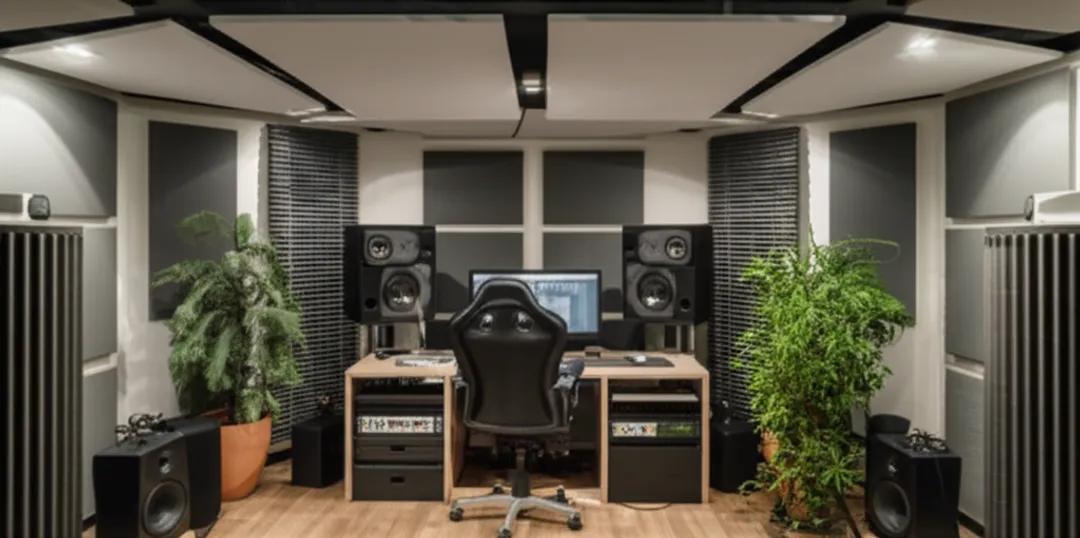
Fresh Ears Mixing Strategies That Actually Work
Fresh ears mixing isn't just about taking breaks – it's about systematically changing your listening perspective to maintain objectivity throughout the mixing process.
Environmental Switching
One of the most effective techniques is regularly switching your listening environment. Start your mix on your main monitors, then periodically check on headphones, smaller speakers, or even your phone speakers. Each environment reveals different aspects of your mix and prevents ear fatigue from building up in any single listening scenario.
Many successful home producers follow what's called the "three-speaker rule": make initial mix decisions on your main monitors, check balance and vocal clarity on near-field monitors or headphones, and verify consumer translation on small speakers or earbuds.
Volume Variation Technique
Constant listening at the same volume level is a fast track to ear fatigue. Instead, implement deliberate volume variation throughout your mixing session:
- Loud passes (85-90 dB): For checking impact and energy
- Moderate passes (70-75 dB): For detailed EQ and balance work
- Quiet passes (60-65 dB): For revealing mix priorities and vocal clarity
Audio Masterclass emphasizes that mixing at consistently moderate levels, with occasional loud and quiet checks, maintains better long-term ear health while improving mix translation.
Reference Track Integration
Effective use of reference tracks goes beyond casual A/B comparison. Create a reference workflow that includes:
- Tonal references: Tracks with similar instrumentation and frequency balance
- Dynamic references: Examples of compression and transient handling in your genre
- Spatial references: Tracks that exemplify the stereo width and depth you're targeting
Rotate between these references every 15-20 minutes to maintain perspective and prevent your ears from adapting to any single sonic signature.
Conquering Self-Doubt and Building Mix Confidence
Overcoming self doubt mixing requires both technical strategies and mindset shifts. The key is developing systems that provide objective feedback when your subjective perception becomes unreliable.
Developing Objective Listening Skills
Confidence in mixing comes from trusting your mixer decisions, but trust must be earned through consistent, objective evaluation methods. Create a systematic approach to mix evaluation:
The Five-Point Mix Check:
- Balance: Are all elements sitting at appropriate levels?
- Frequency: Is the tonal balance appropriate for the genre?
- Dynamics: Do the transients and sustains feel natural?
- Space: Does the stereo image serve the song?
- Emotion: Does the technical execution support the musical message?
By running through this checklist at regular intervals, you create objective anchors that prevent emotional decision-making during fatigued states.
The Power of Preset Starting Points
One way to combat ear fatigue and reduce decision paralysis is to develop reliable starting points for common mixing scenarios. Create template settings for:
- Vocal processing chains
- Drum bus compression
- Standard EQ curves for different instruments
- Reverb and delay sends
These aren't meant to be final settings, but rather educated starting points that reduce the number of decisions you need to make during fatigued states.
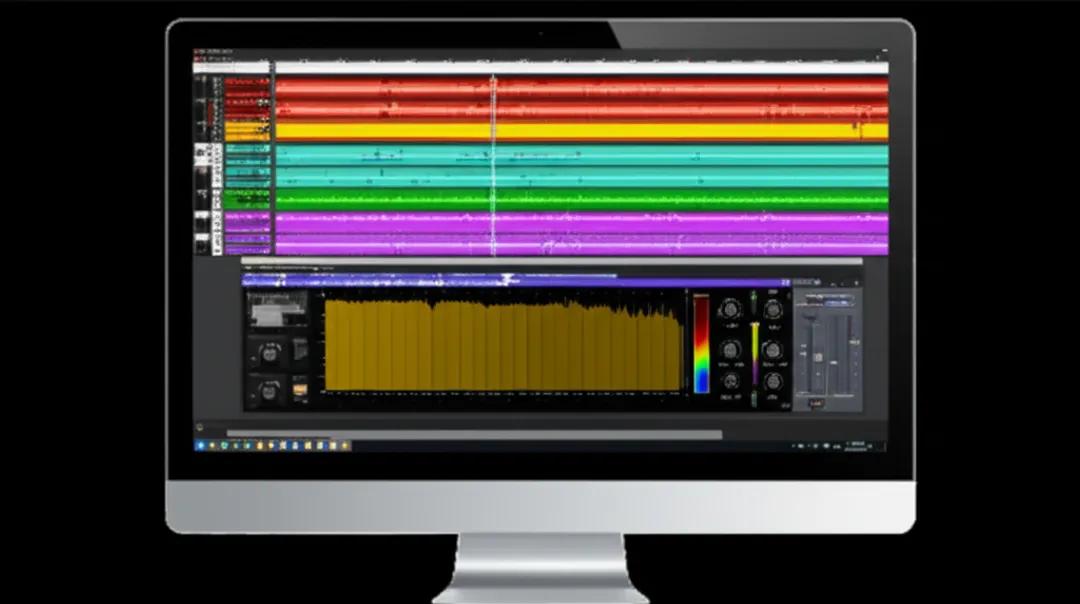
Technology Tools for Confident Mixing
Modern producers have access to tools that can help maintain objectivity when ear fatigue sets in. These aren't crutches – they're professional aids that complement your listening skills.
Visual Mixing Analysis
Spectrum analyzers, correlation meters, and loudness meters provide objective data about your mix when your ears can't be trusted. LANDR's guide suggests using these tools as confirmation rather than primary decision-makers.
Key visual tools for home producers:
- Real-time spectrum analysis: For frequency balance verification
- Stereo correlation meters: For mono compatibility checking
- Loudness meters: For consistent level management
- Phase correlation displays: For identifying problematic phase relationships
Automated Mixing Aids
While never a replacement for trained ears, automated tools can provide consistent starting points and catch obvious problems:
- Auto-EQ plugins: For initial frequency balancing
- Reference matching tools: For tonal comparison with professional releases
- Loudness normalization: For consistent level management across projects
Building Sustainable Mixing Habits
Creative hurdles music production often stem from unsustainable work habits. Building a career as a freelance producer or mixer requires developing systems that support long-term productivity and ear health.
Session Structure for Minimum Fatigue
Structure your mixing sessions to work with your natural energy cycles:
Morning sessions: Focus on major balance and EQ decisions when your ears are freshest Afternoon sessions: Handle compression, effects, and spatial processing Evening sessions: Limit to reference checking and minor adjustments
The Weekly Mix Schedule
For projects with flexible deadlines, spread mixing work across multiple days:
- Day 1: Rough balance and basic EQ
- Day 2: Compression and dynamics
- Day 3: Effects and spatial processing
- Day 4: Final polish and reference checking
This approach prevents the accumulation of ear fatigue while providing multiple opportunities for fresh perspective.
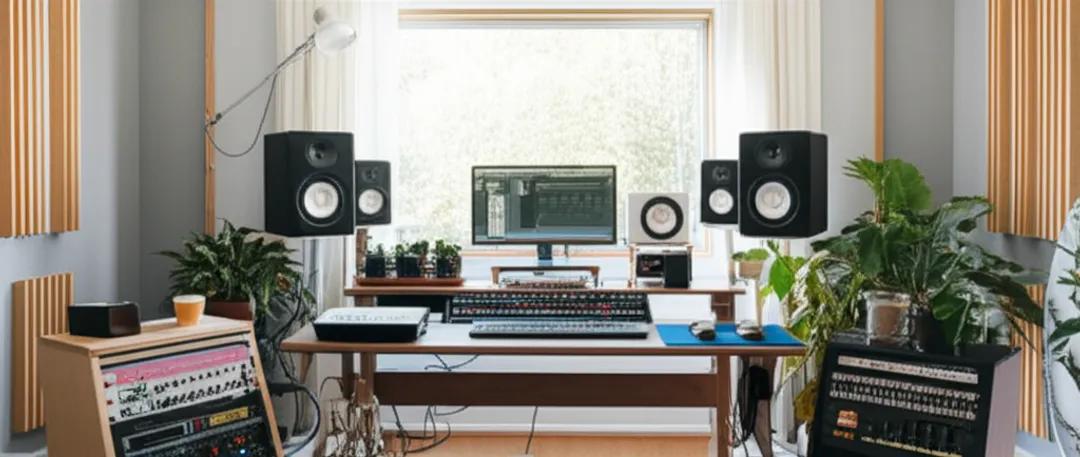
Long-Term Ear Health for Producers
Building a sustainable career in music production requires protecting your most valuable asset: your hearing. MusicTech's comprehensive guide emphasizes that hearing health is directly linked to career longevity.
Daily Hearing Protection Practices
- Monitor safe listening levels: Use SPL meters to ensure you're not exceeding 85 dB for extended periods
- Implement mandatory quiet time: Schedule periods of reduced audio exposure outside of work hours
- Use proper headphones: Invest in comfortable, well-fitted headphones that don't require excessive volume
- Regular hearing checks: Annual audiometry tests can catch problems early
Nutrition and Hydration for Ear Health
Your auditory system is affected by overall health. Proper hydration maintains fluid balance in your inner ear, while certain nutrients support hearing function. Stay hydrated during long sessions and consider the impact of caffeine and alcohol on your auditory perception.
Your Path to Confident Mixing
Mastering ear fatigue in mixing and building confidence in your decisions isn't about perfection – it's about developing sustainable systems that support your creative vision. The techniques outlined here aren't just theoretical concepts; they're practical tools that successful home producers use every day to create professional-quality mixes.
Remember that mixing with confidence is a skill that develops over time. Each session where you implement these ear rest techniques, each time you trust your structured decision-making process, and each mix where you prioritize long-term ear health over short-term intensity brings you closer to professional-level consistency.
The home studio revolution has democratized music production, but it's also placed the responsibility for professional development squarely on your shoulders. By taking control of your mixing process and protecting your most valuable asset – your hearing – you're not just improving your current projects; you're building the foundation for a sustainable creative career.
Ready to transform your mixing process? Join thousands of home producers who've discovered the power of structured, sustainable mixing workflows. Subscribe to our newsletter for weekly tips, gear reviews, and strategies to monetize your music production skills.
Take your mixing to the next level:
- Download our free Mixing Session Template – includes break timers and decision-making checklists
- Browse our recommended studio monitors – carefully selected for home studio environments
- Read our guide to building a profitable home studio – turn your passion into consistent income
What's your biggest challenge with ear fatigue in mixing? Share your experiences and questions in the comments below – your insights could help fellow producers overcome similar creative hurdles.