Best Budget Microphones for Home Studio Recording (2025 Guide)
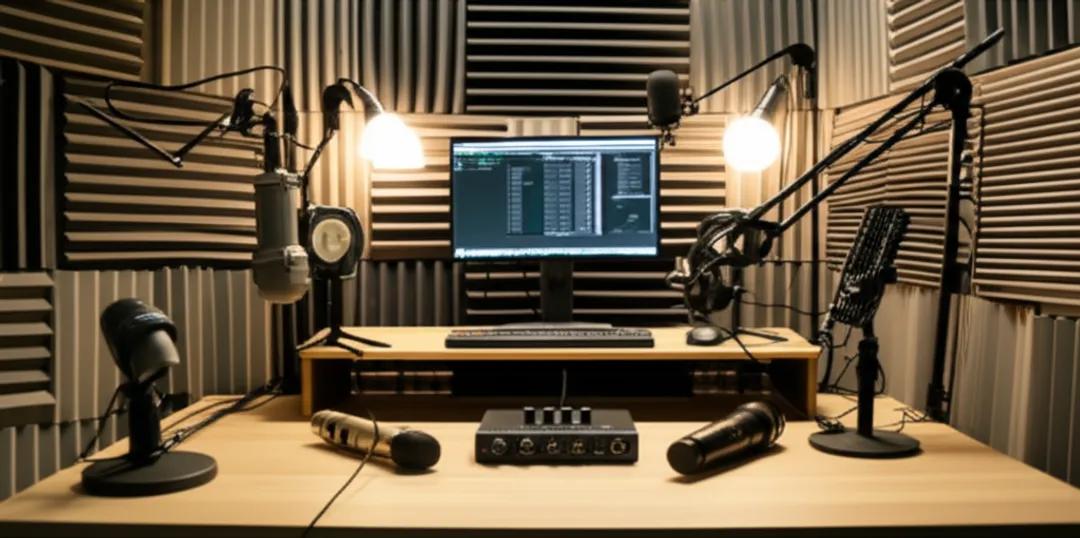
Dream of recording amazing music or podcasts at home without breaking the bank? You're not alone. High-end studio gear can be expensive, but quality doesn't have to be out of reach for home creators. This 2025 guide reveals the best budget microphones for home studio recording, helping you achieve professional sound without overspending on your setup.
Whether you're a beatmaker crafting your next hit, a podcaster building your audience, or a YouTuber wanting crystal-clear audio, the right microphone can transform your content. You'll learn about different mic types, key considerations for your space, and discover top affordable recommendations that deliver exceptional value.
Understanding Microphones: Types & Technology
Dynamic Microphones: Your Workhorse Option
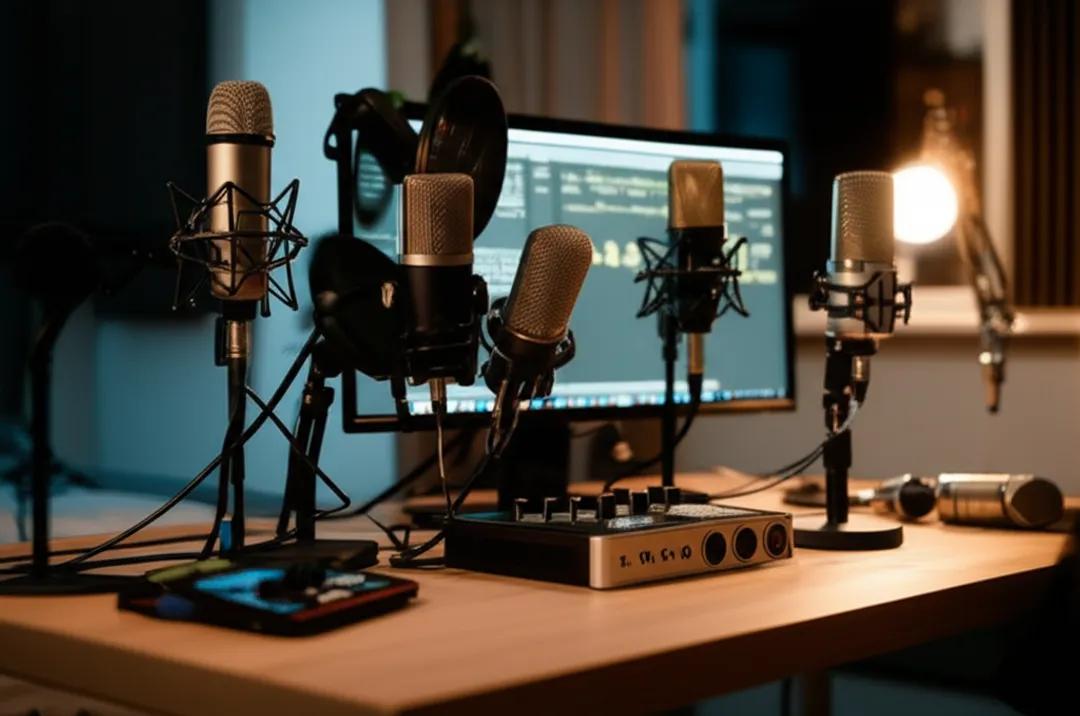
Dynamic mics are the tanks of the microphone world. They're incredibly durable and excel at handling loud sources like vocals, guitar amps, and drums. These mics don't require phantom power, making them perfect for simple setups.
Pros:
- Rugged construction survives drops and rough handling
- Handle high sound pressure levels without distortion
- Often more affordable than condensers
- Less sensitive to room noise
Cons:
- Less sensitive overall pickup
- Flatter frequency response may lack detail
- Need to be closer to sound source
Condenser Microphones: Capture Every Detail
Condenser mics are the sensitive artists of the microphone family. They require phantom power (48V) but reward you with incredibly detailed recordings. These are your go-to choice for vocals and acoustic instruments when you want to capture every nuance.
Pros:
- Wide frequency response captures subtle details
- Excellent for vocals and acoustic instruments
- More sensitive pickup from greater distances
- Professional studio standard
Cons:
- More fragile construction
- Pick up room noise and reflections
- Require phantom power from interface
USB vs XLR: Choosing Your Connection
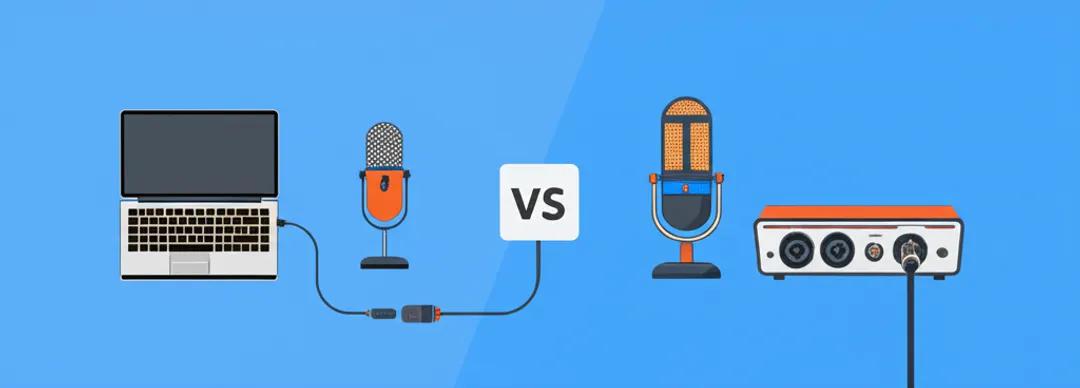
USB Microphones offer plug-and-play convenience. They're perfect for beginners who want to start recording immediately without additional gear. The built-in analog-to-digital converter means you can connect directly to your computer.
XLR Microphones represent the professional standard. They require an audio interface but offer more flexibility, better sound quality, and room for growth as your studio evolves.
Key Considerations for Your Home Studio Setup
Your Recording Environment Matters Most
Even the best affordable condenser microphone home studio setup sounds terrible in a bad room. Hard surfaces create reflections and echoes that muddy your recordings. Before investing in expensive gear, optimize your space:
- Use thick blankets or moving blankets as temporary acoustic treatment
- Record in rooms with carpet, curtains, and soft furnishings
- Avoid recording near windows or parallel walls
- Consider a walk-in closet full of clothes as a natural vocal booth
Do You Need an Audio Interface?
If you're choosing XLR microphones, you'll need an audio interface. This device provides:
- Phantom power for condenser mics
- High-quality preamps to boost microphone signals
- Analog-to-digital conversion
- Professional XLR and TRS connections
For USB mics, the interface is built-in, making them perfect for entry level studio microphone kit setups.
Match Your Microphone to Your Use Case
Vocals: Dynamic mics for powerful singers, condensers for detailed performances Acoustic Guitar: Condenser mics capture string detail and room ambience Electric Guitar: Dynamic mics handle amp volume without distortion Podcasts: USB mics offer convenience, XLR provides professional quality Streaming: USB mics with built-in monitoring work perfectly
Top 10 Best Budget Microphones for Home Studio Recording (2025 Picks)
1. Audio-Technica AT2020 (XLR Condenser) - $99
The AT2020 has earned its reputation as the quintessential affordable condenser microphone home studio choice. This Japanese-engineered mic delivers remarkably clear sound that rivals microphones costing twice as much.
Why it's great: Exceptional clarity for vocals and acoustic instruments with minimal self-noise. The cardioid pattern effectively isolates your source while the extended frequency response captures natural detail.
Pros:
- Crystal-clear vocal reproduction
- Solid build quality that lasts
- Excellent value for money
- Wide frequency response
Cons:
- Requires phantom power and audio interface
- Can pick up room noise in untreated spaces
- Fixed cardioid pattern only
Ideal for: Vocals, acoustic guitar, podcasts, voiceovers
2. Shure SM57 (XLR Dynamic) - $109
The SM57 is arguably the most famous microphone in the world. Found in every professional studio and on every major stage, this dynamic workhorse handles anything you throw at it.
Why it's great: Legendary durability meets exceptional versatility. This mic has been recording hit records for decades and continues to be the go-to choice for guitar amps and snare drums.
Pros:
- Virtually indestructible construction
- Handles extremely high sound pressure levels
- Classic midrange presence perfect for guitars
- No phantom power required
Cons:
- Less sensitive for quiet vocal performances
- Requires audio interface
- Limited high-frequency response
Ideal for: Electric guitar amps, snare drums, loud vocals, brass instruments
3. Shure SM58 (XLR Dynamic) - $109
The SM58 is the SM57's vocal-focused sibling. With a built-in pop filter and optimized frequency response for vocals, it's the cheap dynamic mic for vocals home recording that professionals trust.
Why it's great: Legendary vocal clarity with excellent feedback rejection. The built-in windscreen reduces plosives naturally, and the presence boost cuts through any mix.
Pros:
- Optimized frequency response for vocals
- Built-in pop filter reduces plosives
- Exceptional durability
- Great for live and studio use
Cons:
- Not ideal for detailed acoustic instruments
- Requires audio interface
- Limited high-frequency extension
Ideal for: Vocals, live performances, rap recordings, rock vocals
4. Rode NT1-A (XLR Condenser) - $229
While slightly above strict budget territory, the NT1-A offers exceptional value. Known for its incredibly low self-noise and crystal-clear sound, it's a favorite among home studio owners.
Why it's great: Professional studio quality at a fraction of the cost. The included shock mount and pop filter make it ready to record out of the box.
Pros:
- Extremely low self-noise (5dB-A)
- Crystal clear, detailed sound
- Complete bundle with accessories
- Excellent build quality
Cons:
- Higher price point than strict budget options
- Very sensitive to room acoustics
- Requires phantom power
Ideal for: Detailed vocals, acoustic instruments, voiceovers, professional podcasts
5. Samson Q2U (USB/XLR Dynamic) - $89
The Q2U represents the perfect entry level studio microphone kit solution. With both USB and XLR outputs, it grows with your studio while delivering excellent sound quality.
Why it's great: Ultimate flexibility with dual connectivity options. The built-in headphone jack allows zero-latency monitoring, perfect for budget vocal recording microphone setup.
Pros:
- USB and XLR outputs simultaneously
- Built-in headphone monitoring
- No phantom power required
- Great for beginners and pros alike
Cons:
- Slightly bright character may not suit all voices
- USB output limited to 48kHz/16-bit
- Requires pop filter for optimal results
Ideal for: Podcasting, streaming, vocals, interviews
6. Blue Yeti (USB Condenser) - $99
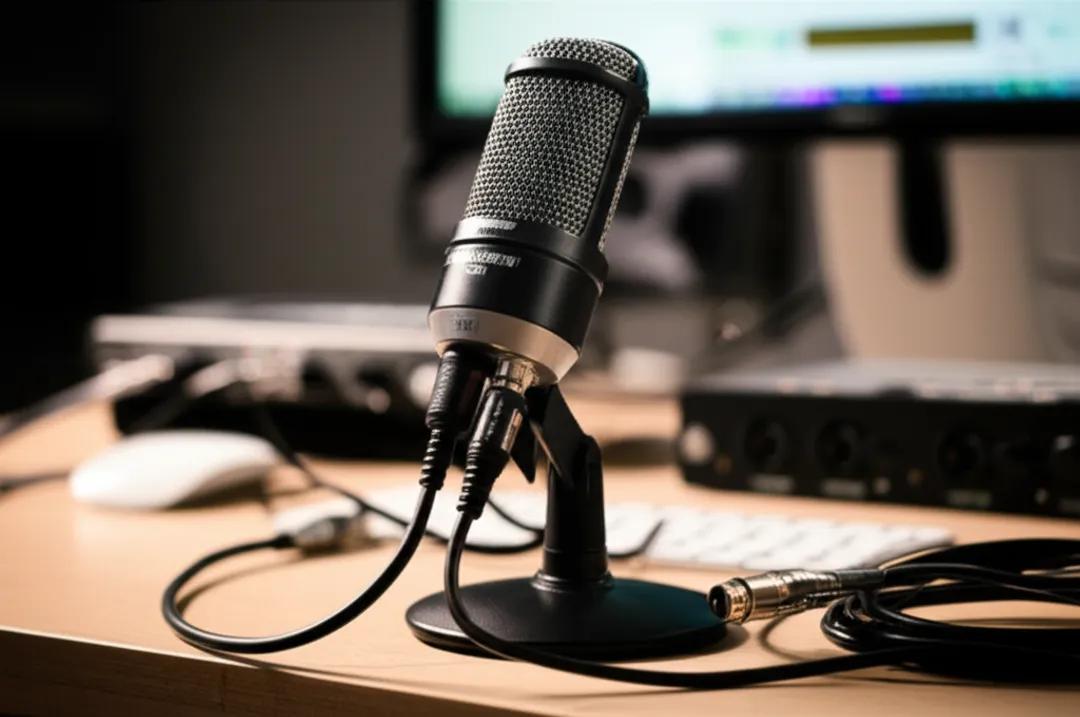
The Blue Yeti remains one of the most popular USB microphones for content creators. Its multiple polar patterns and ease of use make it perfect for home studio mic recommendations beginners.
Why it's great: Four polar patterns in one microphone provide incredible versatility. The built-in headphone jack and intuitive controls make it plug-and-play simple.
Pros:
- Multiple polar patterns (cardioid, omnidirectional, bidirectional, stereo)
- Zero-latency headphone monitoring
- Solid build quality
- Great for group recordings
Cons:
- Large size takes up desk space
- Sensitive to desk vibrations
- Can pick up background noise easily
Ideal for: Podcasting, streaming, voiceovers, group recordings
7. MXL 990 (XLR Condenser) - $89
The MXL 990 offers classic condenser sound at an incredibly affordable price. This warm-sounding mic has been a budget studio staple for years.
Why it's great: Smooth, warm tone that flatters most voices. The vintage-inspired design delivers professional results for cost effective studio microphones review.
Pros:
- Warm, musical tone
- Very affordable price point
- Good sensitivity for vocals
- Classic studio aesthetic
Cons:
- Higher self-noise than premium condensers
- Build quality can vary
- Fixed cardioid pattern only
Ideal for: Warm vocals, singer-songwriter recordings, home demos
8. AKG P120 (XLR Condenser) - $149
AKG's reputation for quality shines through in the P120. This solid all-rounder delivers professional sound quality that works for any affordable condenser microphone home studio setup.
Why it's great: Balanced, clear sound with excellent build quality. The familiar AKG sound signature works well for most voices and instruments.
Pros:
- Clear, balanced frequency response
- Durable construction
- Good value for money
- Low handling noise
Cons:
- Requires phantom power
- Fixed cardioid pattern
- Limited frequency response compared to higher-end AKG models
Ideal for: Vocals, acoustic instruments, general recording
9. Behringer XM8500 (XLR Dynamic) - $29
For ultimate budget consciousness, the XM8500 delivers surprising performance. While not studio-grade, it's perfect for getting started or as a backup microphone.
Why it's great: Incredible value for money. This best cheap XLR microphone home studio option gets you recording without breaking the bank.
Pros:
- Extremely affordable
- Decent sound quality for the price
- Durable construction
- Good for loud sources
Cons:
- Limited frequency response
- Basic sound quality
- Not suitable for detailed recordings
Ideal for: Practice sessions, scratch vocals, loud instruments, beginners
10. Audio-Technica ATR2100x (USB/XLR Dynamic) - $79
Another excellent dual-connectivity option, the ATR2100x offers professional dynamic microphone performance with USB convenience.
Why it's great: Professional dynamic microphone with USB flexibility. Perfect for microphones for small home studio setups where space and budget matter.
Pros:
- Both USB and XLR outputs
- Clear, articulate sound
- Robust build quality
- Great for speech applications
Cons:
- Can emphasize plosives without proper technique
- Limited high-frequency response
- Discontinued but still available
Ideal for: Podcasting, voiceovers, interviews, spoken word
Essential Accessories for Your Budget Home Studio Setup
Pop Filter: Your First Line of Defense
A pop filter prevents plosive sounds (P and B sounds) from creating unwanted air blasts. Even the best microphones benefit from this simple $15 accessory.
Shock Mount: Eliminate Handling Noise
Shock mounts isolate your microphone from vibrations transmitted through the stand. This prevents thumps, bumps, and desk vibrations from ruining your recordings.
Microphone Stand: Proper Positioning
A quality boom stand allows optimal microphone placement. Desktop stands work for streaming, but floor stands offer more positioning flexibility.
Cables: The Unsung Heroes
Invest in quality XLR cables for XLR microphones. Poor cables introduce noise and reliability issues that can plague your recordings.
Headphones: Monitor Your Sound
Closed-back headphones prevent audio bleed into your microphone. They're essential for monitoring your recordings in real-time.
Optimizing Your Sound Beyond the Microphone
Room Treatment Basics
Simple DIY acoustic treatment dramatically improves your recordings:
- Hang heavy blankets behind your microphone
- Use foam panels on reflection points
- Record in rooms with carpet and soft furnishings
- Avoid parallel walls and hard surfaces
Proper Gain Staging
Set your input levels correctly to avoid clipping while maintaining good signal-to-noise ratio. Aim for peaks around -12dB to -6dB in your DAW.
DAW Basics
Free options like Reaper (60-day trial), GarageBand (Mac), or Audacity provide everything needed for basic recording acoustic guitar budget mic sessions and beyond.
Microphone Placement Techniques
Vocals: 6-12 inches away, slightly off-axis to reduce plosives Acoustic Guitar: 12-18 inches from the 12th fret, angled toward the soundhole Electric Guitar Amp: 1-3 inches from speaker cone, slightly off-center Podcasts: 4-6 inches away, consistent positioning
Start Recording Professional Audio Today
Professional-sounding recordings are absolutely achievable on a budget. The microphones in this guide prove that you don't need expensive gear to create compelling content that engages your audience and grows your income.
Remember, the best microphone is the one you'll actually use. Start with any of these recommendations, learn proper technique, and gradually expand your setup as your skills and income grow.
Your home studio journey starts with choosing the right microphone for your needs and budget. Whether you're recording your first beat, starting a podcast, or laying down acoustic guitar tracks, these budget-friendly options will serve you well on your path to audio success.
Ready to take your home studio to the next level? Subscribe to our newsletter for more budget-friendly gear reviews, recording techniques, and monetization strategies. Have questions about which microphone suits your specific needs? Drop a comment below - we're here to help you build the perfect home studio without breaking the bank.
Looking for more home studio guidance? Check out our comprehensive guides on budget audio interfaces and setting up your first home recording studio. Your music deserves to be heard, and we're here to help you make it happen.